

Should You Rent Your Raleigh Property Furnished or Unfurnished?
If you’re preparing a property for the rental market, one of the most common questions owners ask is whether the property should be rented furnished or completely empty.
At first glance, leaving furniture behind may seem convenient. Maybe the property was previously owner-occupied, recently inherited, or already contains furniture in good condition. Some owners also assume furnished rentals will attract more interest or justify higher rent.
In reality, for most long-term residential rentals, unfurnished properties tend to perform better overall.
At MasterKey Property Management, we specialize exclusively in long-term residential property management throughout the Raleigh area. Over many years of managing rental properties, we’ve found that unfurnished properties typically attract a larger applicant pool, create fewer operational issues, and support stronger long-term rental performance.
What You’ll Learn in This Article
- → The difference between furnished and unfurnished rental demand
- → Why unfurnished rentals often receive more applications
- → The hidden costs and risks of furnished rentals
- → How furniture can impact vacancy and tenant quality
- → Why MasterKey rents properties fully vacant and unfurnished
What’s Considered a Furnished Rental?
A furnished rental typically includes major furniture items such as:
Beds
Sofas
Dining tables
Dressers
TVs
Patio furniture
Kitchen items and décor
An unfurnished rental, on the other hand, is generally rented empty aside from built-in appliances and permanent fixtures.
For long-term residential rentals, most tenants expect the property to be unfurnished.
Do Furnished Rentals Get More Applications?
In most long-term residential markets, the answer is usually no.
While furnished rentals may appeal to a smaller niche of renters — such as traveling professionals, temporary relocations, or students — unfurnished rentals typically attract a much broader pool of applicants.
Most long-term renters already own furniture and prefer using their own belongings. They often want the flexibility to:
Personalize the space
Use furniture that fits their needs
Avoid paying higher rent tied to furnishings
Feel more settled long-term
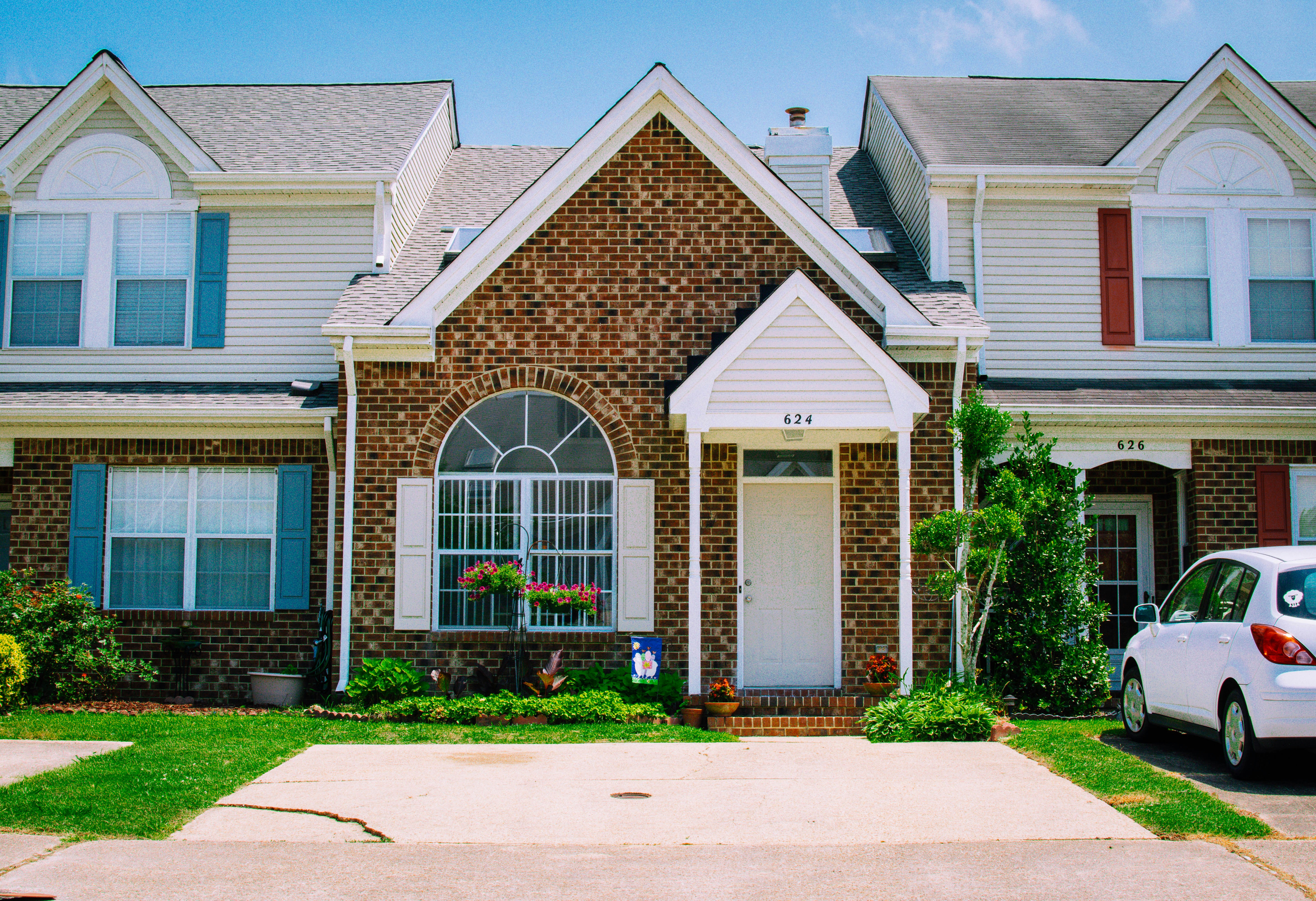
In our experience, unfurnished rentals generally generate stronger long-term demand because they appeal to families, professionals, and stable residents who are planning to stay longer.
That broader demand can help support:
More showings
More applications
Better tenant selection opportunities
Furnished Rentals Often Create More Operational Complexity
Furniture may seem harmless at first, but in a rental environment, every additional item becomes another potential maintenance and liability issue.
Over time, furniture can:
Wear down
Stain
Break
Require replacement
Create move-out disputes
Increase turnover costs
Even simple questions can become operational issues:
Was the couch damaged before move-in?
Is the mattress stained?
Was a chair missing?
Does the tenant owe for furniture damage?
These situations can complicate inspections, security deposit discussions, and turnover preparation.
With unfurnished rentals, management is typically cleaner and more straightforward because the focus remains on the property itself — not on maintaining an inventory of furnishings.
The Hidden Financial Costs of Furnished Rentals
Some owners assume furnished rentals always generate substantially higher rental income.
While furnished properties can sometimes command slightly higher monthly rent, that increase is often offset by:
Furniture replacement costs
Longer vacancy periods
Increased wear and tear
Additional cleaning expenses
Storage and removal logistics
Smaller applicant pools
Furnishing an entire property can also require a significant upfront investment, especially when trying to create a cohesive and durable setup suitable for rental use.
For long-term investors, operational simplicity and consistent occupancy are often more valuable than attempting to achieve a modest rent premium with furniture included.
Why MasterKey Rents Properties Unfurnished
At MasterKey Property Management, properties are rented fully vacant and unfurnished as part of our long-term management strategy.
This policy is designed to help create:
Broader market appeal
Cleaner turnover processes
Reduced operational issues
More consistent property condition standards
Better long-term management efficiency
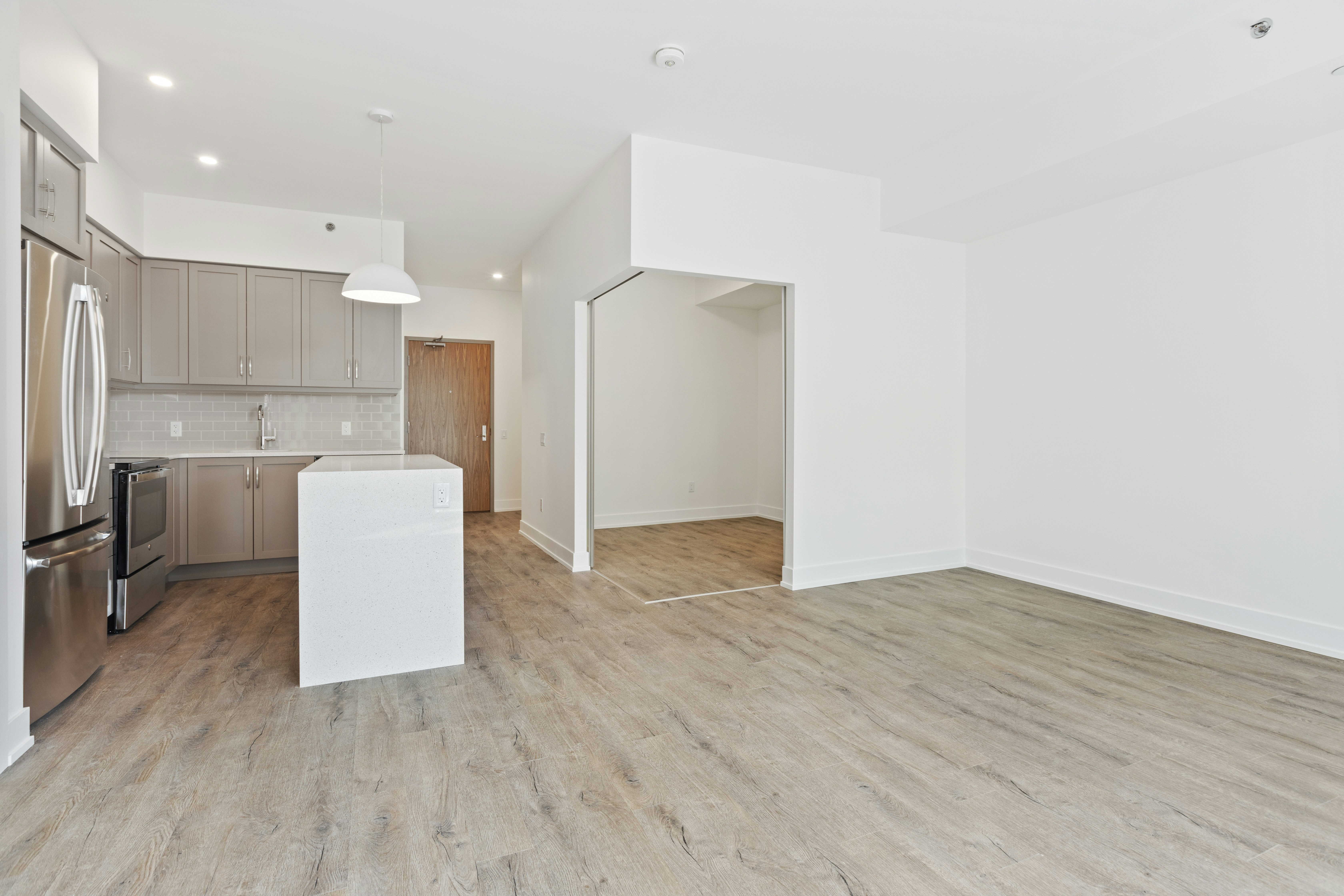
Most importantly, unfurnished properties often create a better experience for both owners and residents.
Residents are able to make the property feel like their own, while owners avoid the ongoing costs and complications associated with maintaining furniture in a rental environment.
For the type of long-term residential properties we manage, this approach has consistently produced stronger long-term operational results.
Expert Insight
“Many owners initially believe leaving furniture behind will make a property more attractive. In the long-term rental market, we often see the opposite. Most qualified residents already have furniture and are looking for a clean, empty property they can settle into long-term.”
Robert Dell’Osso
CEO, MasterKey Property Management
Furnished Rentals Can Work in Certain Situations
There are situations where furnished rentals may make sense:
Corporate housing
Short-term rentals
Vacation rentals
Temporary relocation housing
Student-focused housing markets
However, those property types operate very differently from traditional long-term residential rentals.
Since MasterKey focuses exclusively on long-term property management, our systems, processes, and leasing strategies are built around attracting stable long-term residents rather than short-term occupancy.
Frequently Asked Questions About Furnished vs. Unfurnished Rentals
Is it better to rent a property furnished or unfurnished?
Do furnished rentals lease faster?
Why do most long-term tenants prefer unfurnished rentals?
Can furnished rentals create more maintenance issues?
Does MasterKey allow furnished rentals?
Preparing Your Property for the Rental Market?
Get Expert Rental Guidance
✔ Market-based rental analysis
✔ Strategic rental positioning
✔ Professional tenant screening
✔ Long-term residential management expertise
✔ Local Raleigh market knowledge
Call 919.453.5010 or visit
How a property is positioned before marketing can directly impact vacancy time, tenant quality, and long-term performance.
Our team helps owners make strategic decisions designed to support stable long-term rental success through proper property preparation, strategic pricing, and consistent tenant screening standards.
.JPG)