
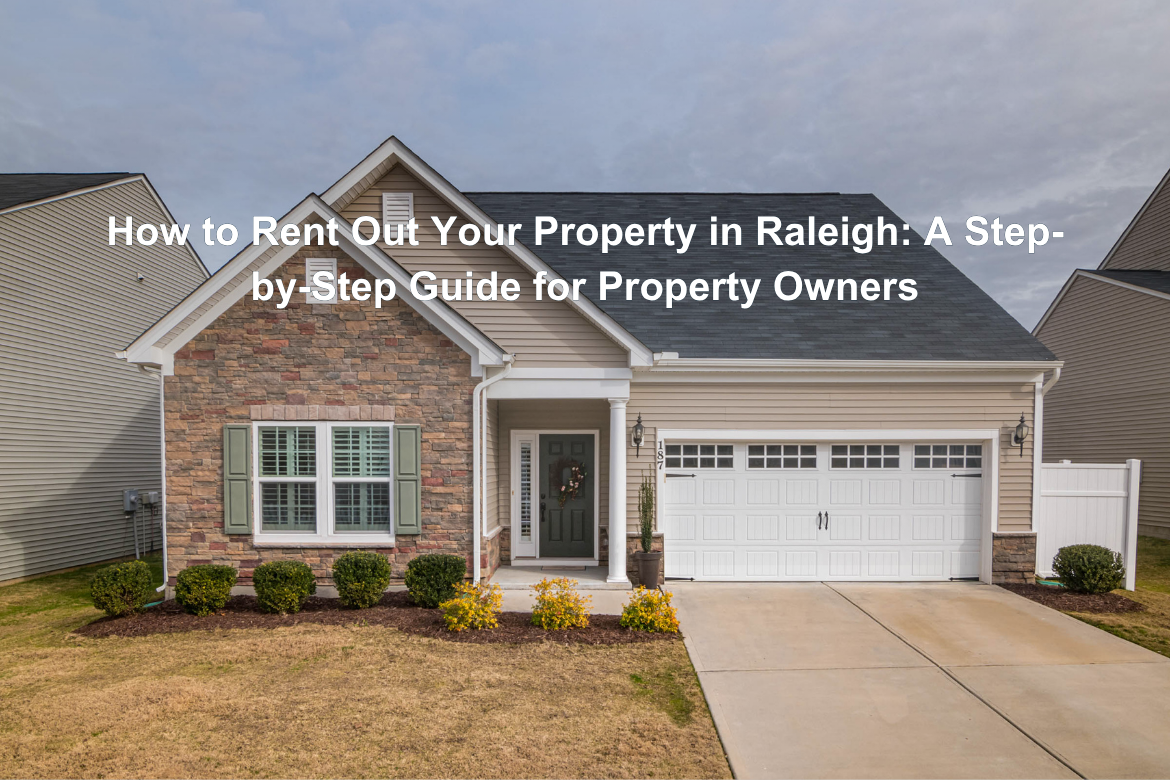
How to Rent Out Your Property in Raleigh, NC: A Step-by-Step Guide for Property Owners
Thinking about renting out your property instead of selling it? Whether you're relocating, upgrading to a new property, or becoming a landlord for the first time, understanding the process can help you maximize rental income while avoiding costly mistakes.
What You’ll Learn in This Article
- → How to determine the right rental price for your Raleigh property
- → How to market your property to attract qualified long-term tenants
- → Why professional tenant screening helps protect your rental investment
- → Common mistakes to avoid when managing a rental property in Raleigh
Can I Rent My Property Instead of Selling It?
Many property owners become landlords unexpectedly.
You may be:
Relocating for work
Moving into a new primary residence
Inheriting a property
Waiting for market conditions to improve before selling
Exploring long-term real estate investing
In many cases, renting allows you to continue building equity while generating monthly income.
However, successful rental ownership requires more than simply finding a tenant. Pricing, tenant selection, maintenance, compliance, and ongoing management all play a role in determining whether a rental property becomes a valuable asset or a constant source of stress.
Related Reading
Can I Rent My Property if I Still Have a Mortgage?
In most cases, yes.
Many rental property owners start by renting a home that was originally their primary residence.
Before moving forward, review:
Mortgage requirements
Insurance coverage
HOA restrictions
Local regulations
If you're unsure, consult your lender and insurance provider before marketing the property.
Step 1: Determine How Much Your property Will Rent For
Pricing is one of the most important decisions you'll make.
Rental pricing impacts:
Days on market
Number of applications received
Applicant quality
Overall return on investment
One of the biggest mistakes property owners make is overpricing.
A property that remains vacant for several weeks often costs more than a modest rent adjustment.
Online estimates can be helpful starting points, but they rarely account for:
Property condition
Neighborhood demand
School assignments
Upgrades and renovations
Current leasing activity
A professional rental analysis uses actual comparable rentals and current market data to determine the most competitive rental price.
Tools:
Rental Analysis (online in minutes)
Ready to Find Out What Your Property Could Rent For?
Whether you're considering renting your property for the first time or evaluating an existing rental, understanding current market value is the first step.
Request a Rental Analysis Today
✔ Rental pricing recommendations
✔ Local market insights
✔ Property-specific guidance
✔ No-obligation consultation
Step 2: Prepare the Property for the Market
The condition of your property directly impacts demand.
Before listing your property, focus on:
Fresh neutral paint where needed
Professional cleaning
Functional HVAC systems
Working appliances
Safety items such as smoke detectors
Exterior curb appeal
Well-prepared properties typically attract more interest, show better, and lease faster.
Related Reading
Step 3: Market the Property Effectively
Today's renters start their search online.
Effective marketing should include:
Professional photography
Detailed listing descriptions
Broad syndication across major rental websites
Prompt inquiry response
Efficient showing coordination
Poor marketing often leads to fewer showings, longer vacancy periods, and increased carrying costs.
Step 4: Screen Tenants Thoroughly
Tenant selection can significantly impact the performance of your rental property.
A strong screening process typically includes:
Income verification
Credit review
Rental history verification
Background screening
Employment verification
Tenant screening should always be conducted consistently and in compliance with federal, state, and local Fair Housing requirements.
Related Reading
Step 5: Execute a Strong Lease and Stay Compliant
A lease is much more than a rental agreement.
A well-written lease clearly outlines:
Rent obligations
Maintenance responsibilities
Property rules
Occupancy requirements
Lease renewal procedures
North Carolina landlords also have ongoing responsibilities related to habitability, repairs, security deposits, and compliance with applicable laws.
Helpful Resources
What Are Landlord Responsibilities in North Carolina?
Landlords are generally responsible for:
Maintaining habitable housing conditions
Addressing repairs within a reasonable time
Managing security deposits properly
Following Fair Housing requirements
Enforcing lease terms consistently
Maintaining required safety systems such as smoke alarms and carbon monoxide alarms when applicable.
Failure to understand landlord responsibilities can expose owners to unnecessary financial and legal risk.
Step 6: Manage the Property Consistently
Managing a rental property includes much more than collecting rent.
Ongoing responsibilities often include:
Rent collection
Maintenance coordination
Vendor management
Tenant communication
Inspections
Lease renewals
Financial reporting
Regulatory compliance
Many owners discover that managing a rental property successfully requires established systems and consistent oversight.
Related Reading
Common Mistakes First-Time Landlords Make
Overpricing the Property
Vacancy is expensive.
Even a few additional weeks of vacancy can reduce annual returns.
Inadequate Tenant Screening
Tenant quality often determines the overall success of a rental property.
Delaying Maintenance
Minor repairs can quickly become major expenses when left unresolved.
Poor Documentation
Good records protect both landlords and tenants.
Underestimating the Time Commitment
Rental ownership is a business. Systems and consistency matter.
Is Raleigh a Good Market for Rental Property Owners?
The Raleigh area continues to attract residents because of:
Strong job growth
Major universities
Healthcare and life sciences expansion
Technology employers
Ongoing population growth
These factors continue to support demand for quality rental housing throughout Raleigh and the surrounding Triangle region.
Related Reading
Why Raleigh and the Triangle Remain a Strong Rental Market for Investors
Expert Insight from MasterKey Property Management
“The most successful rental property owners don’t rely on luck. They rely on accurate pricing, thorough tenant screening, and consistent systems. Most costly rental property problems can be prevented long before they become expensive.”
Robert Dell’Osso
President & Principal Broker, MasterKey Property Management
Why Property Owners Choose Professional Property Management
Many owners initially plan to self-manage.
Over time, they often find themselves spending significant time handling:
Tenant communication
Compliance requirements
Emergency situations
Professional property management provides systems, expertise, and local market knowledge that help reduce stress while protecting the investment.
At MasterKey Property Management, we manage approximately 500 rental properties throughout the Triangle and have spent years helping owners maximize rental income while protecting long-term property value.
Need Help Managing Your Raleigh Rental Property?
MasterKey Property Management provides full-service property management throughout Raleigh and the Triangle.
From marketing and tenant placement to maintenance coordination and financial reporting, our team helps property owners reduce stress and protect their investments.
.JPG)