
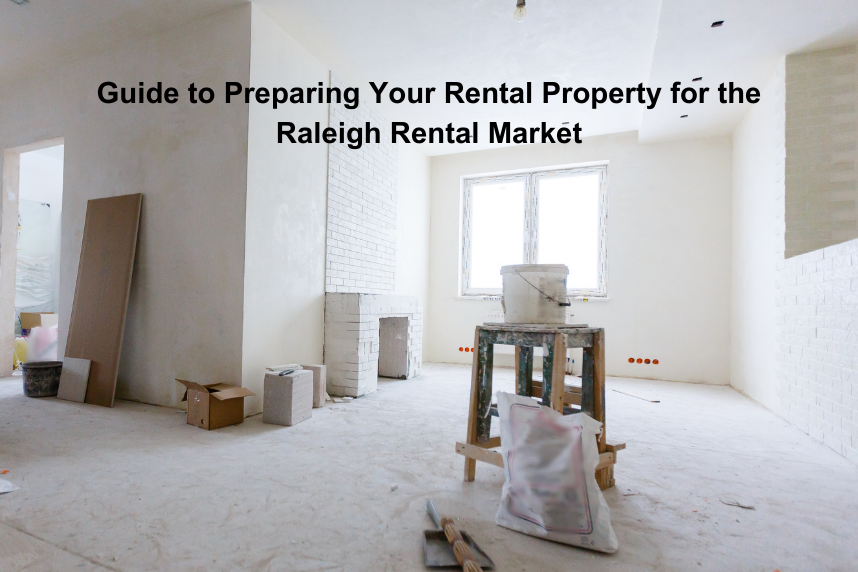
Guide to Preparing Your Rental Property for the Raleigh Rental Market
Preparing a rental property the right way before listing isn’t just about presentation — it directly impacts days on market, tenant quality, and long-term return on investment.
At MasterKey Property Management, we’ve helped Raleigh-area investors lease and manage properties for more than 10 years. And time and again, we see the same truth play out:
Properties that are safe, clean, well-maintained, and move-in ready lease faster — and perform better over time.
This guide walks you through how to prepare your rental property for the market so you can protect your investment, attract qualified applicants, and avoid costly delays once showings begin.
What You’ll Learn in This Guide
This article will help you understand:
How property condition impacts pricing, leasing time, and applicant quality
Which repairs and updates genuinely improve market performance
What to complete before photography and showings begin
How to reduce move-in disputes and future maintenance surprises
The role of safety, habitability, and compliance in protecting your investment
Below is the full transcript of our video explaining how to prepare your rental property in the Raleigh–Durham rental market.
Preparing a rental property the right way before listing isn’t just about presentation — it directly impacts days on market, tenant quality, and long-term return on investment.
At MasterKey Property Management, we’ve helped Raleigh-area investors lease and manage properties for more than 10 years. And time and again, we see the same truth play out: properties that are safe, clean, well-maintained, and move-in ready lease faster — and perform better over time.
This guide walks you through how to prepare your rental property for the market so you can protect your investment, attract qualified applicants, and avoid costly delays once showings begin.
Step 1: Safety, Functionality, and Compliance
Before cosmetic updates, ensure the property meets habitability and safety requirements. This protects both the resident and the owner and helps prevent issues after move-in.
- HVAC, plumbing, and electrical systems
- Water heater and shut-off valves
- Smoke and carbon monoxide detectors
- Exterior locks and secure windows
- No active leaks or water intrusion
Step 2: Complete Turnover Repairs Before Listing
A work-in-progress rental tends to sit longer, receive fewer qualified inquiries, and create uncertainty about expectations.
- Paint touch-ups or full repaint when needed
- Flooring repair or replacement
- Appliance repairs or servicing
- Functional fixtures and hardware
- Deep cleaning
The condition shown on day one becomes the standard the resident expects throughout the lease.
Step 3: High-Impact, Cost-Effective Improvements
Not every upgrade increases performance, but some significantly improve leasing time and retention.
- Fresh, neutral interior paint
- Durable flooring to replace worn carpet
- Updated lighting or hardware
- Front entry and curb appeal improvements
- Minor kitchen and bath updates
- Landscaping cleanup and trimming
Step 4: Remove Personal Items
Leaving items behind can create confusion and liability during move-in.
- Remove stored items, chemicals, and paint
- Remove wall anchors if not staying
- Ensure keys and remotes are accounted for
- Clear garages, attics, sheds, and closets
Step 5: Professional Cleaning and Landscaping
Presentation matters — both online and in person.
- Full interior deep cleaning
- Carpet cleaning
- Yard and landscaping maintenance
Step 6: Align Condition and Pricing With the Market
Condition and pricing work together. Our approach is data-driven and focused on long-term performance.
- Neighborhood and comparable properties
- Property condition and layout
- Seasonality and demand trends
The goal is to lease efficiently, attract qualified applicants early, and protect long-term ROI — not just maximize the first month’s rent.
Step 7: Professional Marketing and Presentation
- Professional photography
- Floor plans and virtual tours
- Clear, Fair Housing–compliant listing language
- Accurate feature details
In a competitive rental market, strong presentation helps your property stand out and reinforces the level of care expected from residents.
Planning your next step? Get a clear view of pricing, demand, and leasing strategy for your rental property. Call MasterKey Property Management at 919.655.3950.
Step 1: Start With Safety, Functionality, and Compliance
Before cosmetic updates, the first priority is ensuring the property meets habitability and safety requirements. This protects both the resident and the owner — and helps prevent emergency repair requests after move-in.
Key items we confirm are in proper working order include:
HVAC, plumbing, and electrical systems
Water heater and shut-off valves
Smoke and carbon monoxide detectors (installed per NC code)
Exterior locks and secure windows
No active leaks or water intrusion concerns
Railings, steps, and trip hazards
Utilities on for inspection, cleaning, and photography
A property that is safe, functional, and fully operational:
Attracts stronger applicants
Reduces repair callbacks after move-in
Sets clear expectations for property care
Learn more about how our management approach protects investor assets.
Step 2: Complete Turnover Repairs Before Listing
A “work-in-progress” rental tends to:
Sit longer on the market
Receive fewer qualified inquiries
Create uncertainty about condition expectations
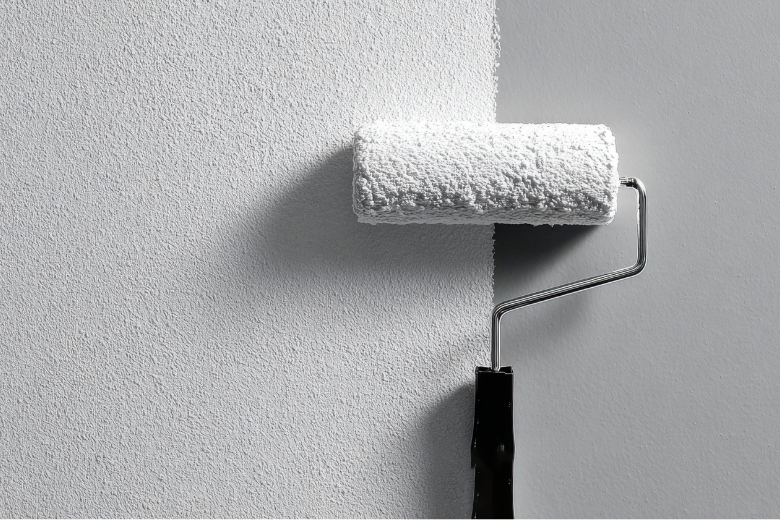
Whenever possible, we recommend completing all approved work before photography and showings begin, including:
Paint touch-ups or full repaint when needed
Flooring repair or replacement where worn or damaged
Appliance repairs or servicing
Light fixtures, switches, and screens made fully functional
Garage and entry hardware adjustments
Deep cleaning
Our rule of thumb is simple:
The condition shown on day one is the standard the resident will expect throughout the tenancy.
Properties that are fully ready — not halfway there — lease more efficiently and experience fewer disputes later.
Step 3: Focus on High-Impact, Cost-Effective Improvements
Not every upgrade increases rental performance, but some repairs meaningfully improve leasing time and retention — especially in the Triangle’s single-family market.
Updates that tend to deliver measurable benefit include:
Fresh, neutral interior paint across rooms
Durable flooring to replace worn carpet
Updated lighting or hardware in dated areas
Front-entry and curb appeal refresh
Minor kitchen or bath fixture updates
Landscaping cleanup and trimming
These improvements help:
Reduce vacancy periods
Attract applicants who value well-maintained properties
Lower ongoing turnover costs
During our Rental Analysis review, we provide honest guidance about which improvements are worth the investment — and which are unlikely to change performance.
Request your analysis.
Step 4: Remove Personal Items and Leave the Property Move-In Ready
Leaving personal belongings or stored materials in the property can create confusion and liability issues during move-in.
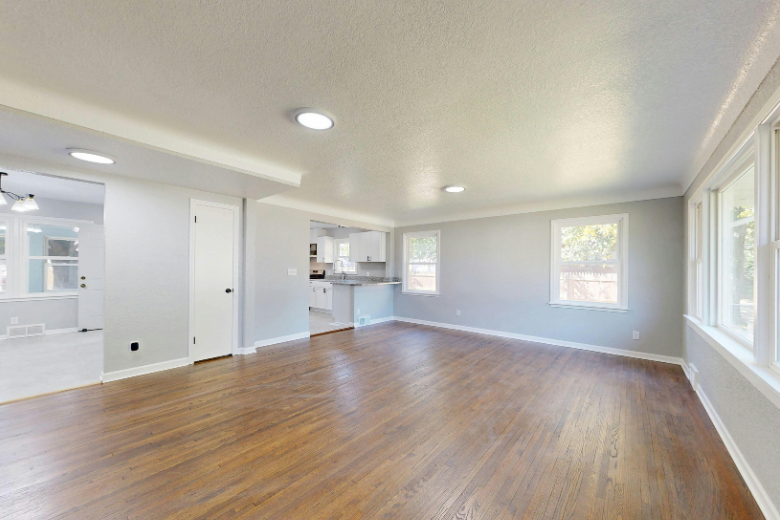
Before listing, we recommend:
Removing stored items, chemicals, and unlabeled paint
Clearing attics, sheds, garages, and closets
Removing wall anchors or mounts that aren’t staying
Ensuring keys, remotes, and access devices are accounted for
A clean slate protects both parties and simplifies documentation during the move-in inspection.
Step 5: Schedule Professional Cleaning and Landscaping
Presentation matters — online and in person.
A professionally cleaned property signals care, respect, and expectation of upkeep. We recommend:
Full interior deep cleaning
Carpet cleaning or replacement where worn
Windows, sills, and baseboards cleaned
Yard and beds trimmed
Entryway refreshed for strong first impression
This supports:
Better showing performance
Fewer disputes about condition
Stronger long-term resident satisfaction
Step 6: Align Condition and Pricing With the Market
Condition and pricing work hand-in-hand.
When we conduct a rental market evaluation, we consider:
Neighborhood and nearby comparable properties
Age, layout, and functional appeal
Condition relative to competition
Seasonality and demand trends in the Triangle
Rather than “testing a higher price,” our goal is to position the property where it will:
Lease within a reasonable timeframe
Attract qualified applicants early
Maximize long-term return (not just the first month of rent)
Our approach is data-driven, transparent, and risk-aware — because vacancy is one of the most expensive costs in real estate.
Step 7: Professional Photography and Listing Presentation
Once the property is fully prepared, we coordinate:
Professional real-estate photography
Floor plans and virtual tours when appropriate
Clear, Fair Housing–compliant listing language
Accurate feature details and expectations
In a competitive single-family rental market, high-quality presentation helps your property stand out — and demonstrates the standard of care you expect from residents.
Planning Your Next Step as a Rental Owner?
MasterKey Property Management
Get a realistic view of pricing, demand, and leasing strategy for your rental property — based on today’s Raleigh market.
Call MasterKey: 919 453 5010
Why Proper Property Preparation Matters
Owners who fully prepare their property before listing typically see:
Faster leasing timelines
Higher-quality applicant pools
Fewer post-move-in repair calls
Reduced turnover frequency
Better long-term performance and ROI
Our role at MasterKey is to guide investors through these decisions with clarity, transparency, and local expertise — so you can feel confident your asset is protected.
Frequently Asked Questions About Preparing a Rental Property for the Market
Do I need to fully repaint before renting out my property?
Not always — but consistency matters.
If walls show wear, touch-ups are uneven, or colors vary between rooms, a full repaint often:
- Improves showing performance
- Reduces future touch-up costs
- Sets clear expectations for property care
Neutral, modern paint also photographs better online and helps attract applicants who value a well-maintained property.
During our Rental Analysis, we’ll let you know whether repainting is recommended or optional based on condition and market position.
Should I replace carpet, or is professional cleaning enough?
It depends on age, wear, and fiber condition.
Generally:
- Light wear — cleaning is often sufficient
- Heavy wear, staining, or odors — replacement is typically the better long-term decision
Replacing tired flooring before listing can:
- Reduce vacancy time
- Improve applicant quality
- Lower turnover costs in future years
Our goal is to help owners make cost-effective decisions that support long-term ROI — not unnecessary upgrades.
Can I list the property while repairs or cleaning are still in progress?
We strongly recommend waiting until work is complete before:
- Scheduling photography
- Publishing the listing
- Allowing showings
“Work-in-progress” listings typically:
- Sit longer on the market
- Receive fewer qualified inquiries
- Create uncertainty about final condition
Properties that are fully ready on day one lease faster and avoid confusion during move-in.
Do cosmetic improvements really make a difference in leasing time?
In many cases — yes.
In the Triangle’s single-family rental market, applicants often compare:
- Condition
- Layout
- Price
- Overall presentation
Small, high-impact improvements — such as lighting updates, curb-appeal refresh, or fixture replacements — can meaningfully improve showing performance and retention.
We help owners focus on updates that deliver measurable benefit, not unnecessary renovation.
How does property condition affect rental pricing?
Pricing and condition work together.
Two properties with similar square footage and location may perform very differently depending on:
- Interior finish quality
- Age and wear
- Overall presentation
Well-prepared rentals:
- Attract stronger interest sooner
- Experience fewer price reductions
- Often produce better long-term returns
Our pricing recommendations are data-driven and conservative, prioritizing total return and vacancy risk — not just the top-end number.
Will MasterKey walk my property and provide preparation recommendations?
Yes.
As part of our onboarding and evaluation process, we:
- Walk the property
- Identify safety, repair, and readiness items
- Recommend high-impact improvements
- Discuss expected rental performance
Our goal is to make the preparation process clear, predictable, and stress-free for owners.
You can request a Free Rental Analysis here:
https://www.masterkeypm.com/raleigh-property-management
What happens if a property is not fully prepared before a tenant moves in?
Incomplete preparation can lead to:
- Increased maintenance requests after move-in
- Disagreements about condition responsibility
- Delays in tenant satisfaction and onboarding
Establishing a strong condition baseline before move-in protects both the resident and the investment — and helps create a smoother tenancy experience.
.JPG)